Every year around this time, right when the pollen is painting our cars yellow and we’re all trying to remember where we put last year’s Easter decorations, something else inevitably pops up: An article… a social media post… a friend-of-a-friend who read something somewhere… all confidently explaining that Easter is actually a pagan holiday in disguise.
Now, I’ll be honest, I’ve come to expect it. It’s about as predictable as Peeps showing up in every possible color known to humanity. So, in the spirit of spring cleaning, I thought we might do a little myth-busting together, light-heartedly, of course.
First, let’s start with what Easter is. At its core, Easter is the celebration of the resurrection of Jesus Christ. From the earliest days of the Church, Christians have gathered on a Sunday in the spring to proclaim the good news: Christ is risen! This wasn’t borrowed from somewhere else. It was born out of the very real, very life-changing event at the center of our faith.
“But what about the name ‘Easter’?” people often ask. That’s where things get a little more interesting, and a little more complicated. The word “Easter” likely comes from an old English term tied to springtime. But here’s the thing: names change depending on where you are. Many Christians around the world don’t call it Easter at all. They call it “Pascha,” a word connected to Passover. Different names, same celebration: the resurrection of Jesus.
Then there are the usual suspects: eggs and bunnies. Now, I don’t know about you, but I’ve never once heard someone say, “He is risen… and also, behold, the sacred bunny.” Eggs and rabbits are symbols of new life, which is why they show up in the spring. Over time, cultures adapted those symbols into their celebrations. But symbols are not the same thing as the meaning itself. The Church didn’t gather on Easter morning because of decorated eggs. It gathered because the tomb was empty. If anything, Christians have always been pretty good at taking familiar symbols and connecting them to a deeper truth. New life in spring? That sounds like a pretty fitting illustration of resurrection, if you ask me.
So, is there some overlap between cultural traditions and Christian celebration? Sure. That’s been true in just about every time and place where the gospel has taken root. But here’s what’s important: Easter isn’t built on those traditions. It’s built on the resurrection. And no amount of internet debate is going to change that.
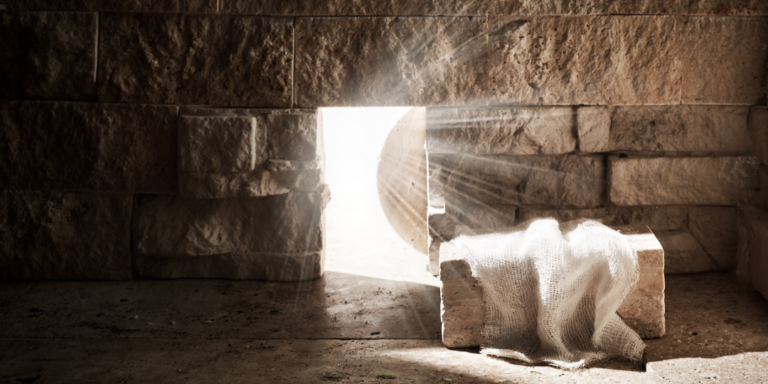
So, when those articles or posts come around this year, you don’t have to get worked up. You don’t have to win an argument in the comments section (and let’s be honest, that never ends well anyway). Instead, you can smile, maybe enjoy a piece of chocolate, and remember what we’re really celebrating. Because at the end of the day, Easter isn’t about where the name came from, or why there are eggs in the yard. It’s about a stone rolled away. A tomb left empty. And a Savior who is alive. And that’s good news worth celebrating, no matter what you call it.
May God hold you,
Rev Chris Hester